Understanding PC game system requirements
Game publishers publish minimum and recommended system requirements on Steam, but their practical meaning has shifted significantly with modern graphics APIs like DirectX 12 and Vulkan. Meeting the "Minimum" specification usually guarantees only 30 FPS at 720p or 1080p with low graphical fidelity, whereas modern AAA gaming aims for at least 60 FPS at 1080p or 1440p.
Minimum vs Recommended
Minimum: Barely playable baseline (30 FPS, dynamic resolution scaling).
Recommended: The intended visual experience (60+ FPS at 1080p High settings).
VRAM & Memory Buffers
Unreal Engine 5 and ray-traced titles routinely exceed 8GB of video memory. If your GPU exhausts VRAM, assets spill over to system RAM, causing severe micro-stuttering. 12GB+ VRAM ensures sustained smoothness.
SSD Storage Requirement
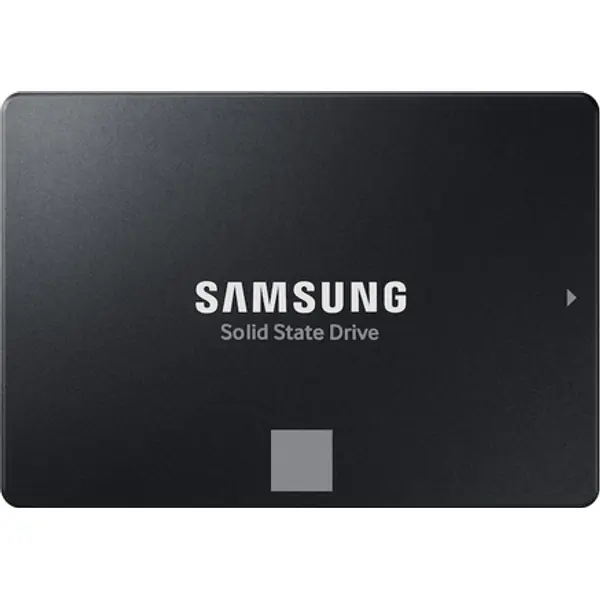
Modern titles stream textures and geometry in real time. Installing games on a fast NVMe M.2 SSD prevents asset pop-in, reduces loading screens, and eliminates traversal hitching.
Frequently asked questions
Why does my game stutter even if my PC meets the recommended specs?
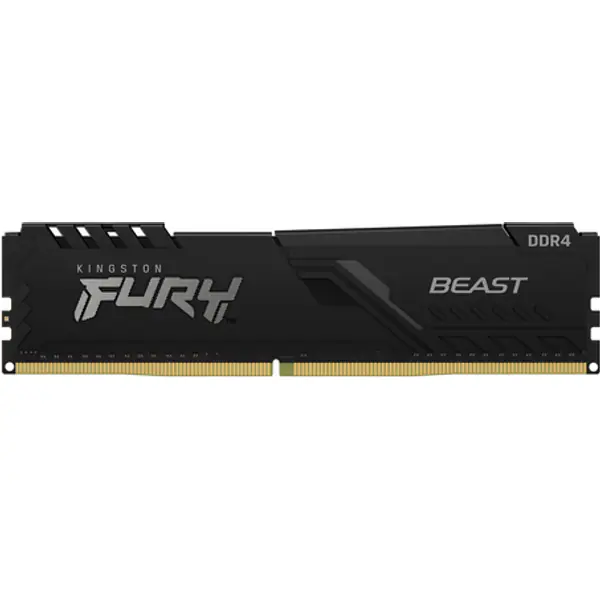
Common culprits include background software consuming CPU threads, single-channel RAM throttling memory bandwidth, outdated GPU display drivers, or thermal throttling under sustained heat.
Does upscaling (DLSS / FSR / XeSS) change whether my PC can run a game?
Yes. NVIDIA DLSS, AMD FSR, and Intel XeSS render games internally at a lower resolution (e.g. 720p) and upscale to 1080p or 1440p using temporal reconstruction or AI, frequently delivering a 30%–60% frame rate increase on supported hardware.